3 vendors1 person
No handoffs
Whoever draws the concept writes the markup and builds the front-end. Nothing leaks in between.
Designing since 2013 · 205 clients still in the archive
“Something roughly like this — could you do it?”
No plan? I build the structure. No screens? I draw them.
It needs features, an admin, a server — I do those too.
Some people only design. Some people only develop.
I do whatever it takes to keep the service running all the way through.
I have worked this way since 2013.205 clients, counting only what I still have.More of them I kept fixing for years than I delivered once and closed.
The title doesn't matter much. I'm the one still there when the idea becomes a service.
That's the job.
There is no spec.
There is, however, an idea.
I turn the story in someone's head into a structure,
and the structure into screens.
Design, code, admin, server.
One at a time, in whatever order it needs.
It has to still make sense to me a year later.
If it does, somebody else can pick it up too.
Running right now
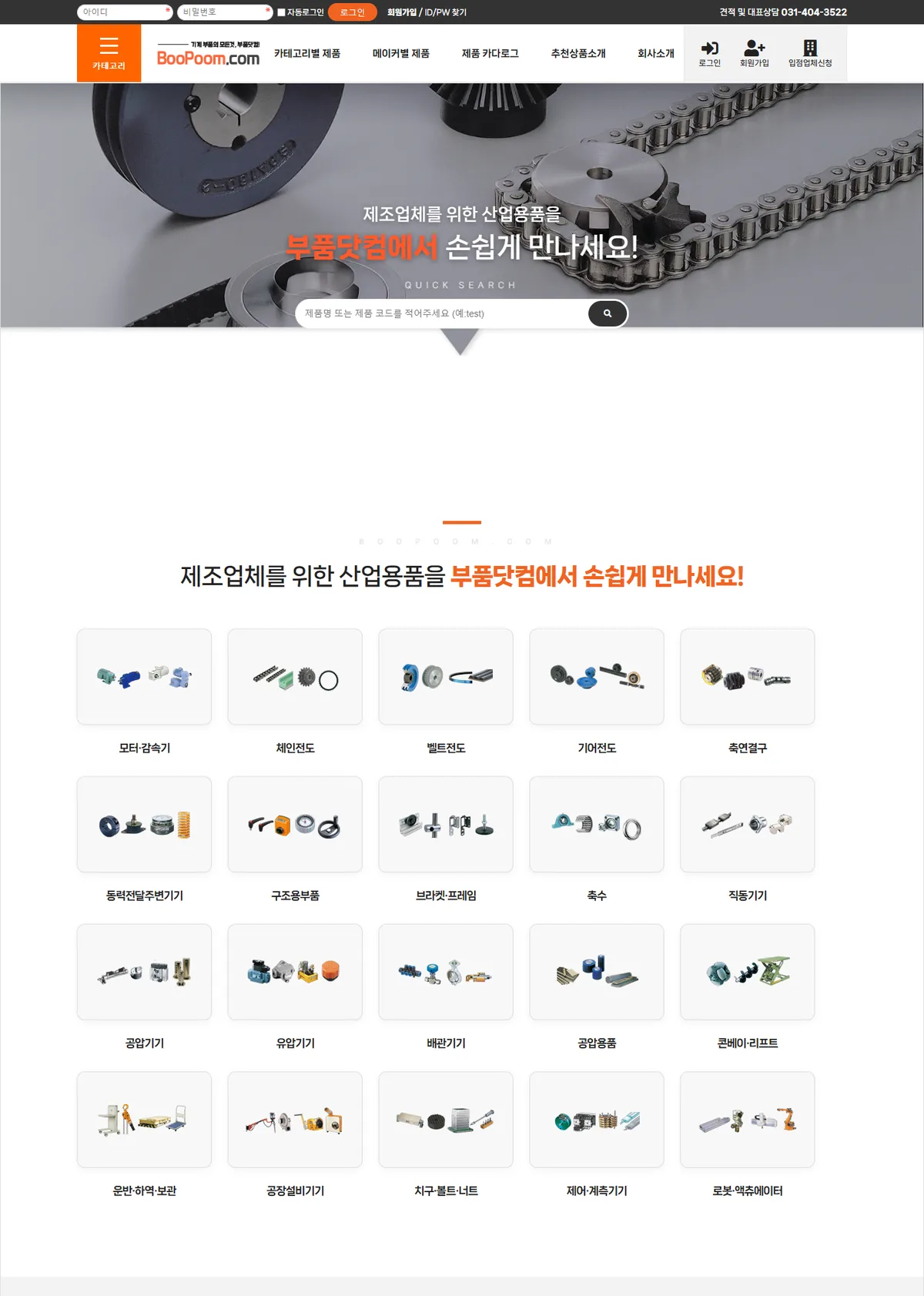
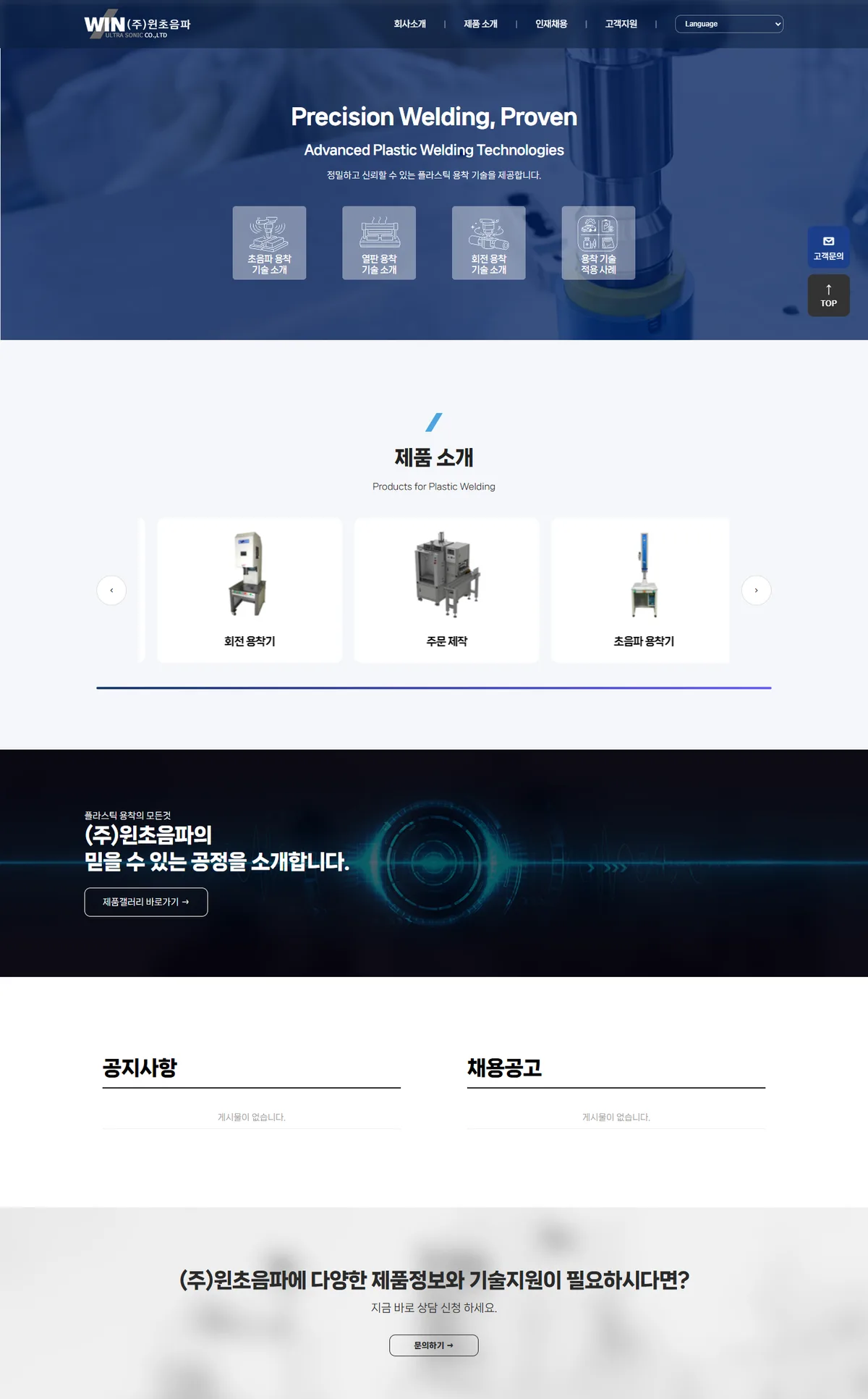
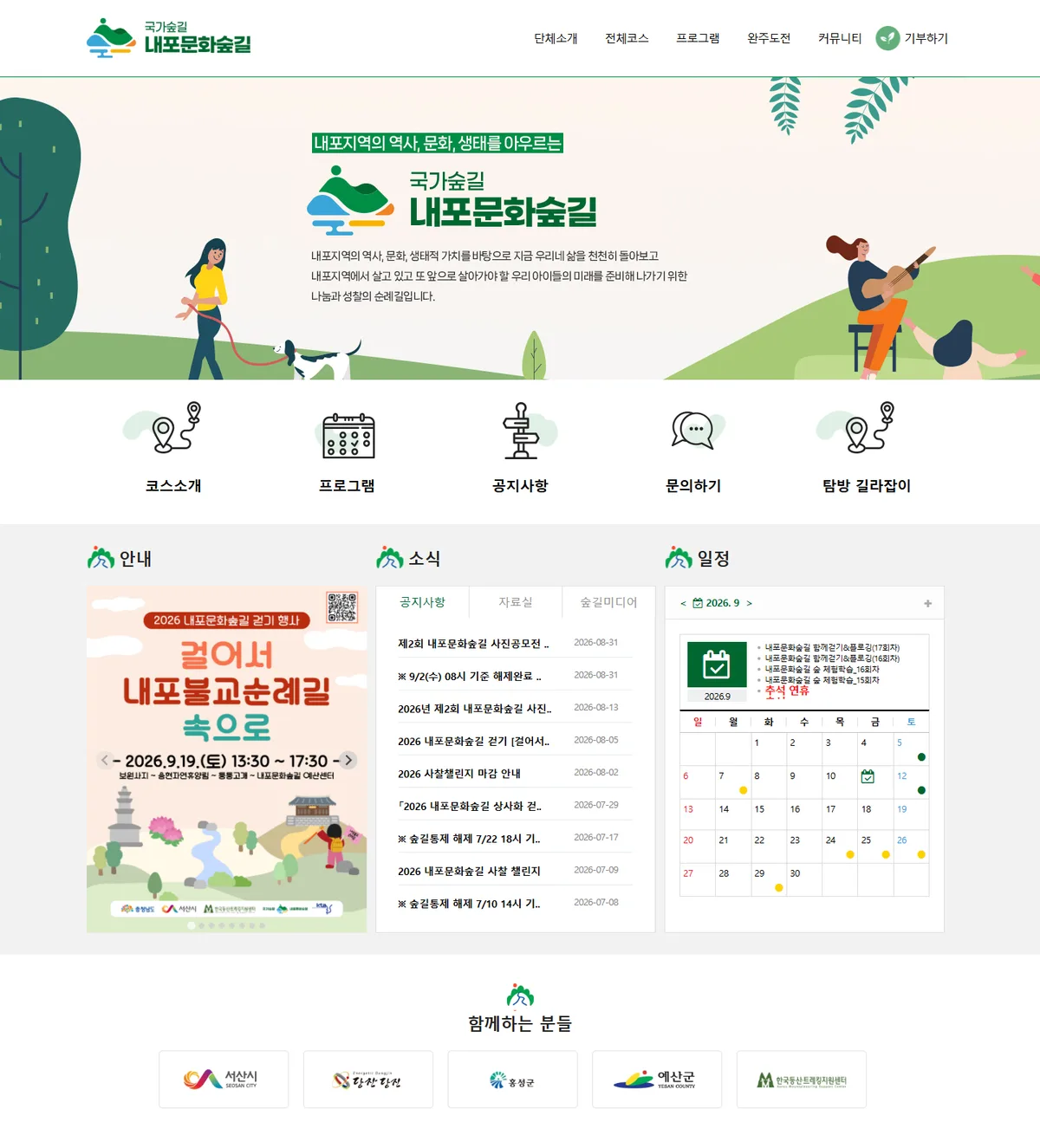
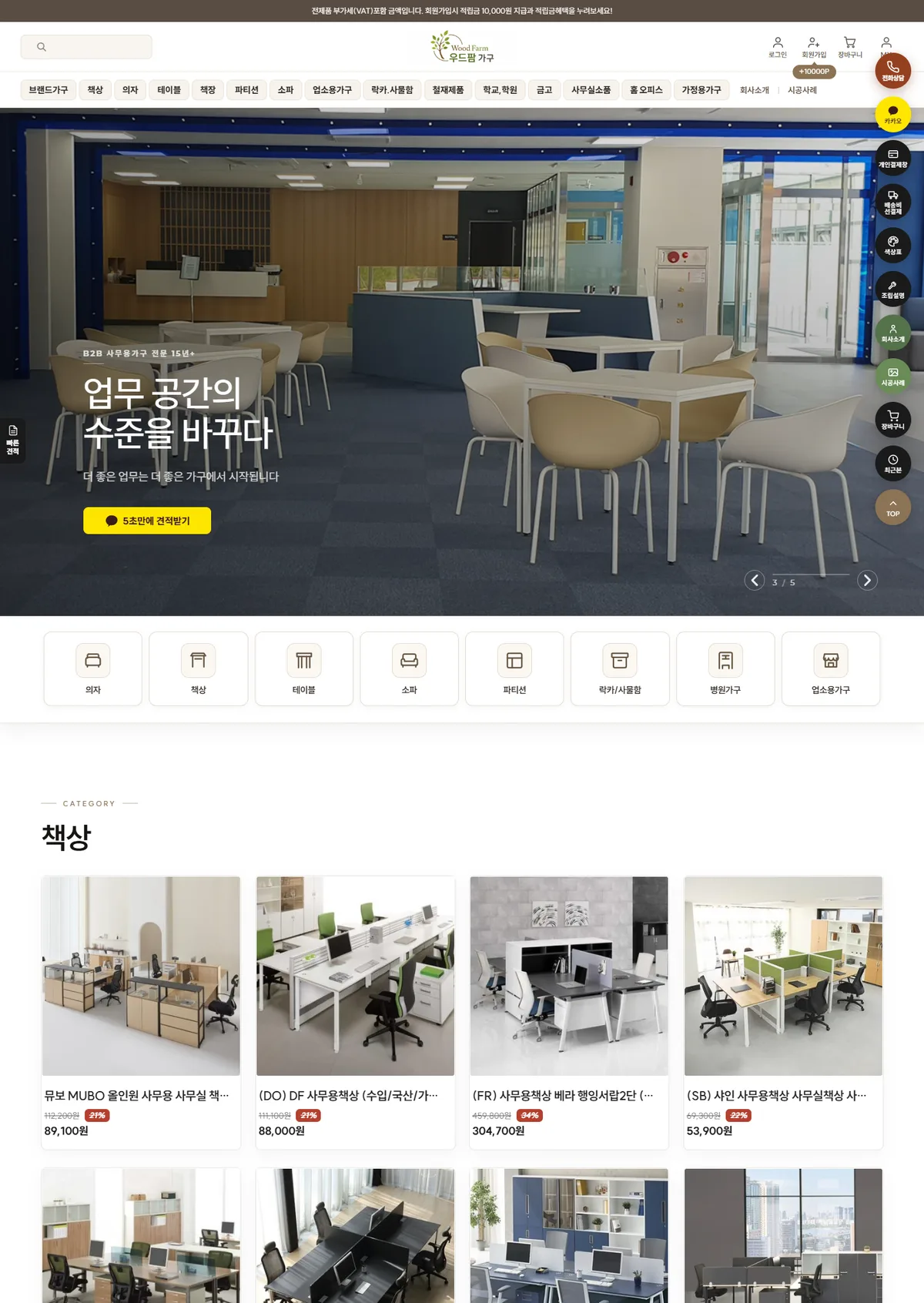
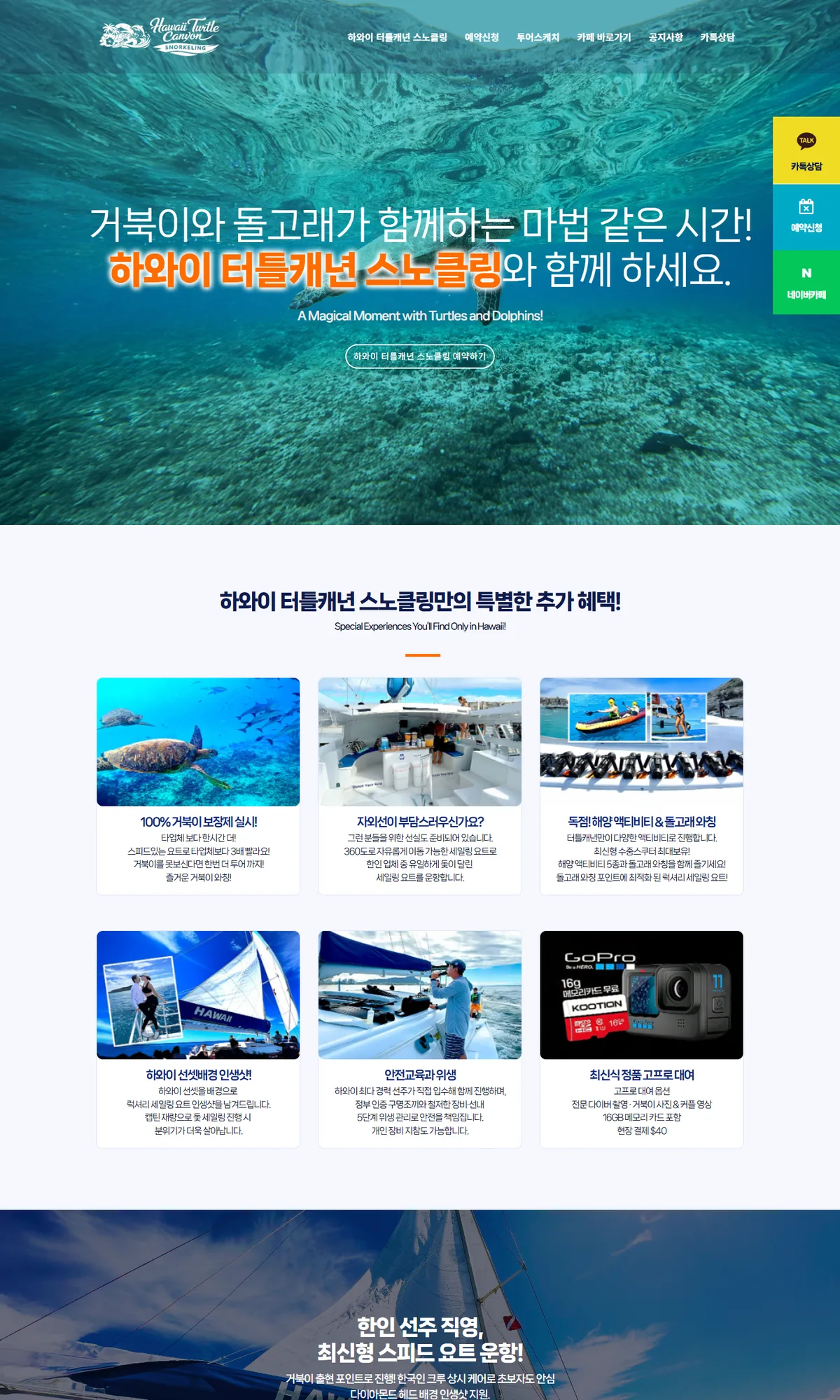
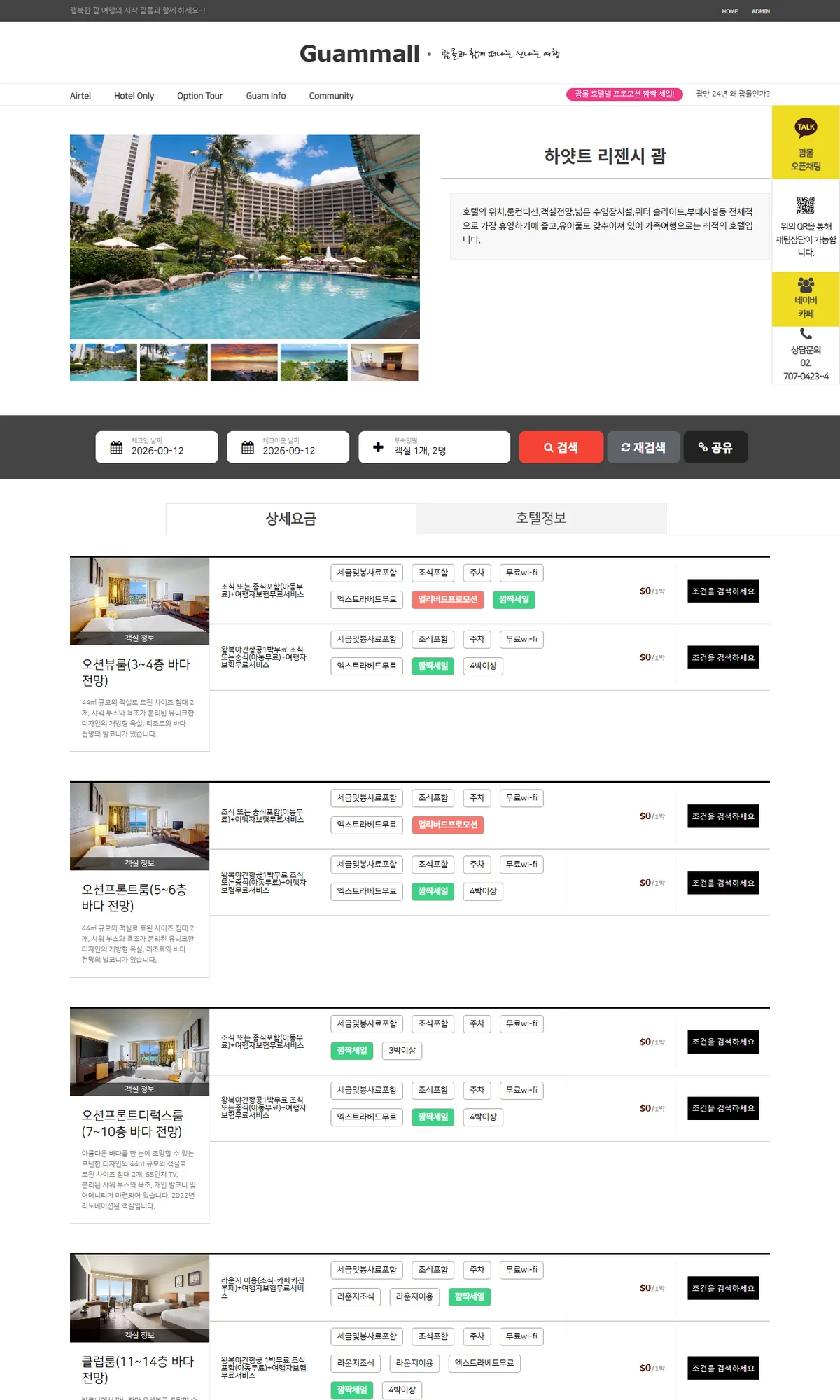
These are live. Click through and judge for yourself.
Some have been operated by the client since handover, so the content may have moved on.
What you stop paying for
3 vendors1 person
Whoever draws the concept writes the markup and builds the front-end. Nothing leaks in between.
Endless revisionsA choice of two
Where several people sign off, I present two directions from the start. It becomes a decision, not a correction.
Calling a developer to change a sentenceThe operator edits it
Most maintenance requests were never bugs — they were copy changes. So the admin gets built for that.
How I work
The technology changed on every project. The sequence never did.
Almost no project has arrived with a complete specification.
I gather everything — spreadsheets, slide decks, chat threads, phone calls — and work out what is actually being built.
What I don't know, I confirm rather than assume.
Whoever drew the concept writes the markup and builds the front-end. Same person.
No handoff means nobody ever says “this isn't what the design showed”.
API keys stay on the server, never in the app.
Anything I expect to swap out later gets an interface now.
A service is used far longer than it is built.
Building it myself doesn't make it safe from me.
Two weeks of real use, then anything unused comes out.
Knowing what to drop is harder than shipping more.
Case studies
What I chose matters more than what I made. Each case ends with what I didn't manage to do.
Public childcare support portal
I designed and built the front-end around one goal: staff should be able to manage the content themselves without calling a developer every time.
Opportunity OS
More people miss public funding programmes than find them.
So I designed it to recommend first when you match the criteria, rather than to be searched.
EXITO Supply Collector
Every supplier site is structured differently, so the operator repeats the same work forever.
I built a tool where you paste one URL and it pulls in as much of the product data as it can.
Office chair product page
There was no photography budget. The product still wasn't generated.
Real cut-outs stayed; only atmosphere was generated, with three colourways locked to one model and one light.
Manufacturer catalogue and website
Split print and web between suppliers and one company starts looking like two brands.
I prepared the product imagery once for both, and set colour from print — the side you can't undo.
Commerce operations systems
Settlement, tax invoicing, points, orders, member management.
These are systems I kept fixing and extending across several years of live operation.
Content Factory
So that nobody has to sit down and ask “what do I write today?”,
I'm designing it to automate everything from topic selection through to analysis.
205, and the ones I lost count of
Some got one website. Some I've been fixing alongside for years.
205 counts only the work I still hold files for. Plenty of the early jobs were never archived at all.
Wildly different industries, almost identical sticking points.
The admin is awkward. Plenty of features, none of them usable.
At some point I started looking at the structure before the features.
Sectors
Client names are withheld. The sector split is my own rough grouping of what survives in the archive, not an audit.
Things I kept running into
Most maintenance requests weren't bugs. They were “could you just change this one sentence?”
So the admin kept shifting toward what an operator finds easy, not what a developer finds easy.
Public bodies and associations have several people signing off.
One concept gets you revisions. Two concepts get you a decision.
I inherited a lot of Gnuboard, Youngcart and ageing PHP projects.
Editing before understanding the structure almost always broke something elsewhere.
So even now, on day one I barely touch the code.
I watched too many handed-off designs come out half-degraded.
So I took the markup back.
Design work
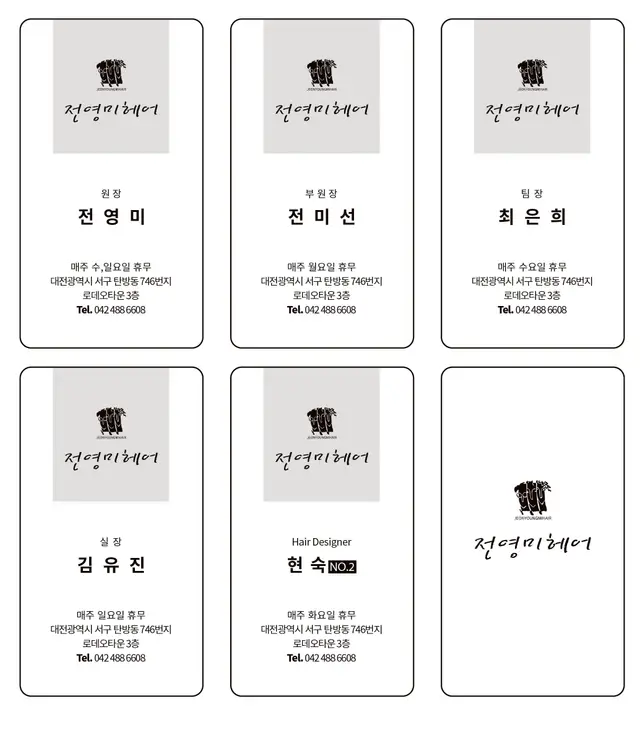
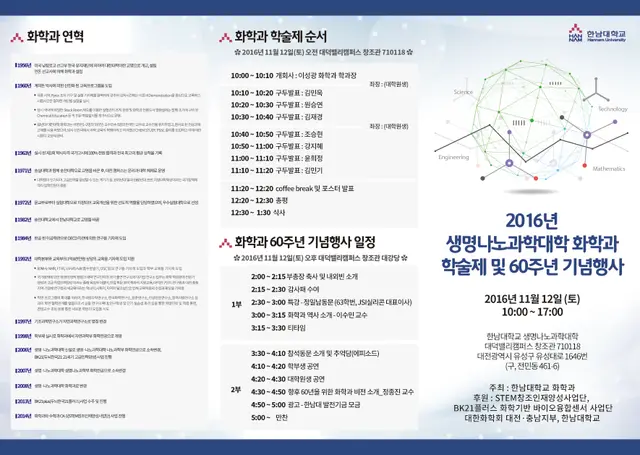
Logos, catalogues, posters, banners, product pages and web concepts — selected from the archive since 2016.
Scope
For one client I've drawn the logo, laid out the catalogue, printed the banner, built the site and pushed it live.
So the brand on the business card and the brand on the website don't look like two different companies.
Contact
That's how most of them started.
Tell me why you want it before you tell me what it is.
I'll reply by separating what I can take on from what I can't.
Open to roles in Korea, contract work, and remote projects internationally.
I usually reply within 24 hours.